The Complete Sóller Guide: Mallorca's Orange Valley, Vintage Train and Mountain Walks
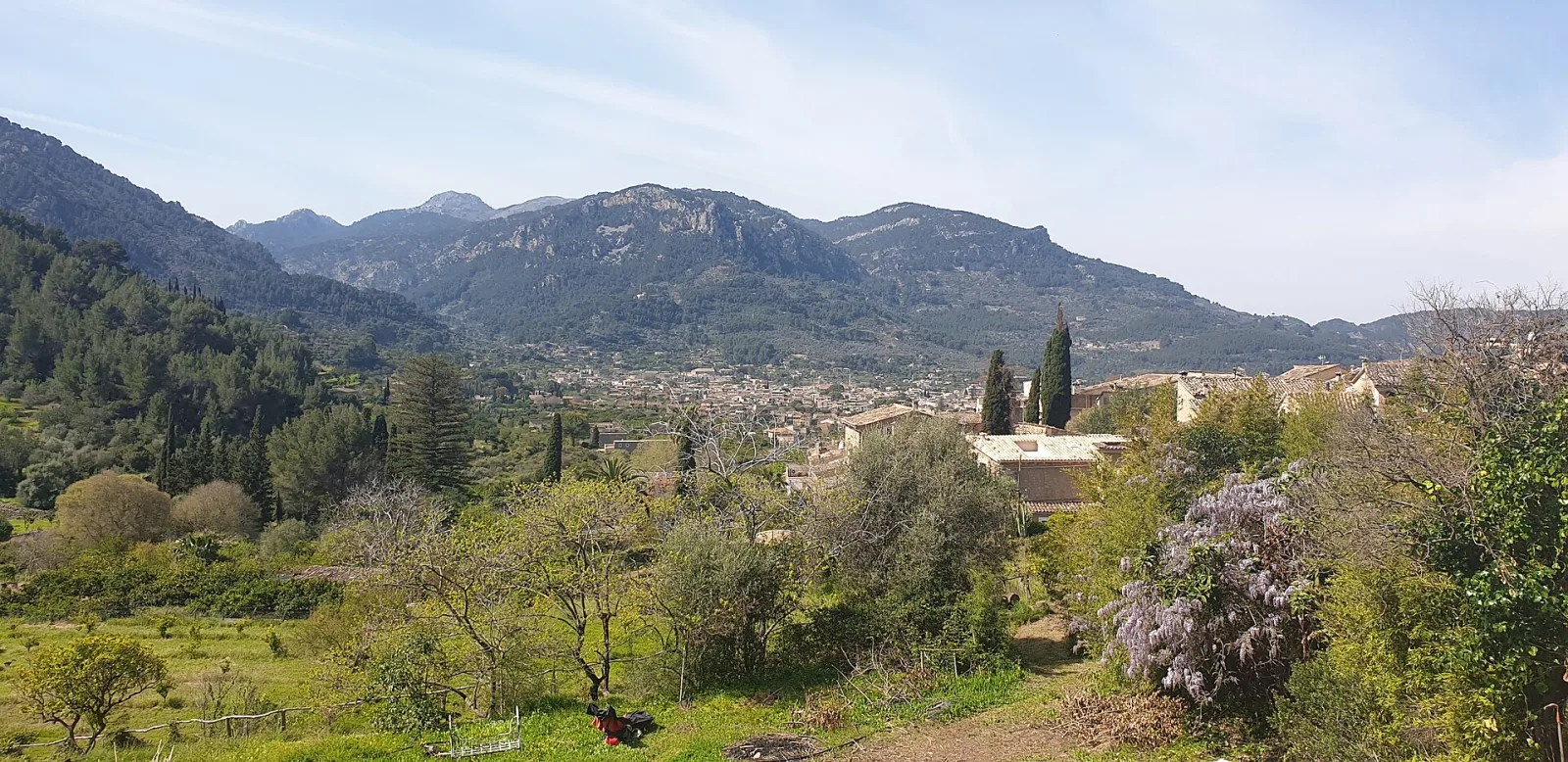
Sóller sits in a wide valley of orange and lemon groves on the northwest side of Mallorca, completely ringed by the Tramuntana mountains. For most of its history it was easier to reach the town by boat than by road, which is why it still feels a little separate from the rest of the island. Today you get there through a tunnel, on a 1912 wooden train, or with a private transfer. Here is everything worth knowing before you go.
Is Sóller worth visiting?
Yes, and for more reasons than most mountain towns on the island. Sóller is bigger and more lived-in than Valldemossa or Deià, so it does not empty out the moment the tour buses leave. You get a proper town with a daily life, a grand main square, the famous train and tram, real hiking straight out of the centre, and a beach resort (Port de Sóller) five minutes down the valley. That combination is hard to beat.
It does get busy in summer, mostly around the square and the train station between late morning and mid-afternoon. Outside those hours, and in spring and autumn, it is one of the most pleasant places on Mallorca to spend a day or two.
Riding the vintage Sóller train from Palma
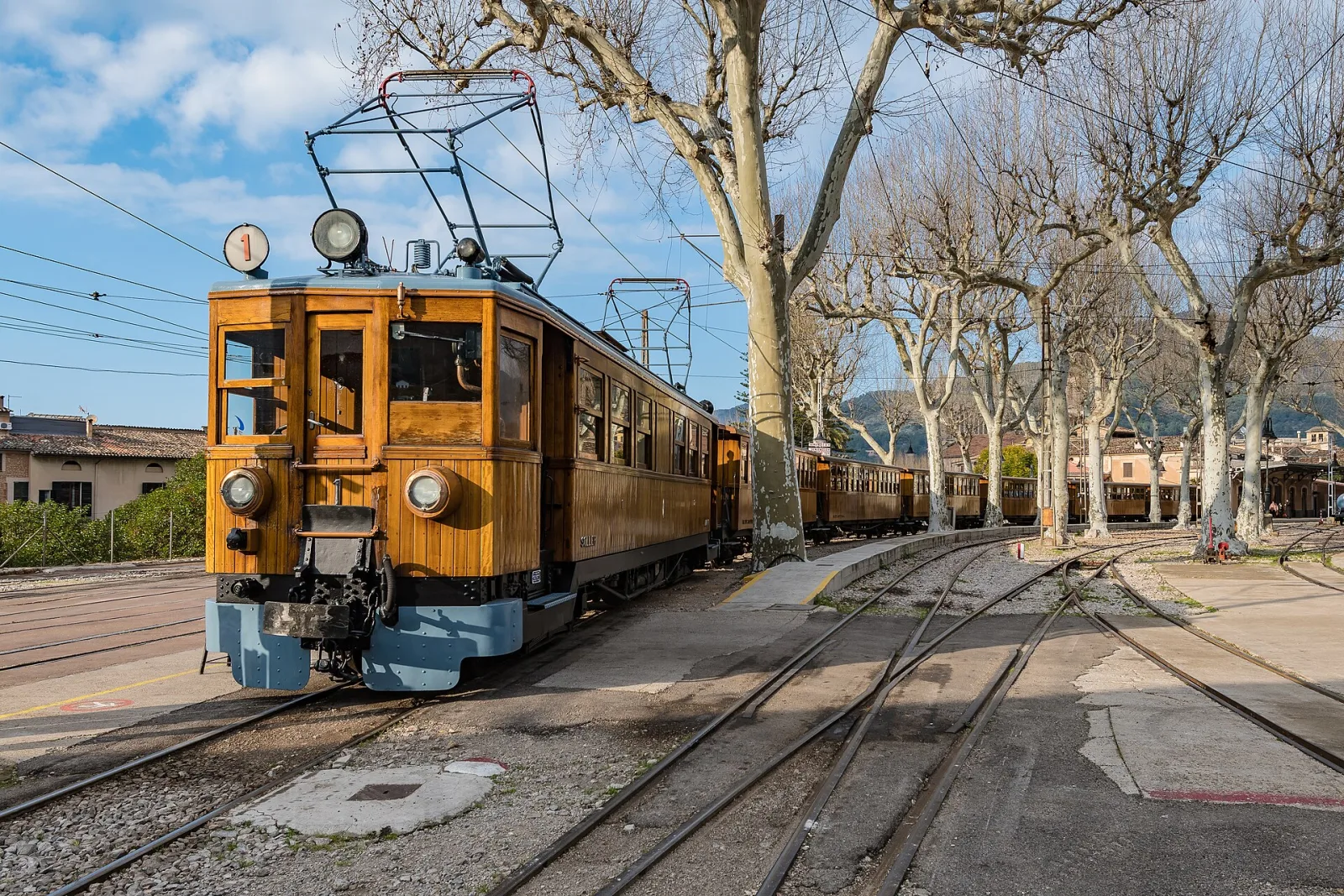
The train is the reason a lot of people come, and it lives up to it. It first ran in 1912, built so Sóller’s citrus growers could finally get their oranges over the mountains to Palma instead of hauling them by mule along dirt tracks. The wooden carriages, brass fittings and open passageways are almost entirely original.
The line runs 27 km from Palma (the station is next to Plaça d’Espanya) to Sóller town, climbing through 13 tunnels and over several stone viaducts before dropping into the valley. The journey takes about an hour. A one-way ticket is around €23 and a return around €25, so a single is rarely worth skipping the return for. Services run all year, with more departures in summer (roughly 10:10 to 19:40) and fewer in winter, so check the current timetable on the official Tren de Sóller site before you plan your day.
Our honest take: the train is a lovely experience but it is slow and the tickets are not cheap for what is essentially a short hop. A popular way to do it is to travel one direction by train for the scenery and the other by car or transfer to save time. We are happy to drop you at the Sóller station so you can take the train back to Palma on another day.
The wooden tram down to Port de Sóller
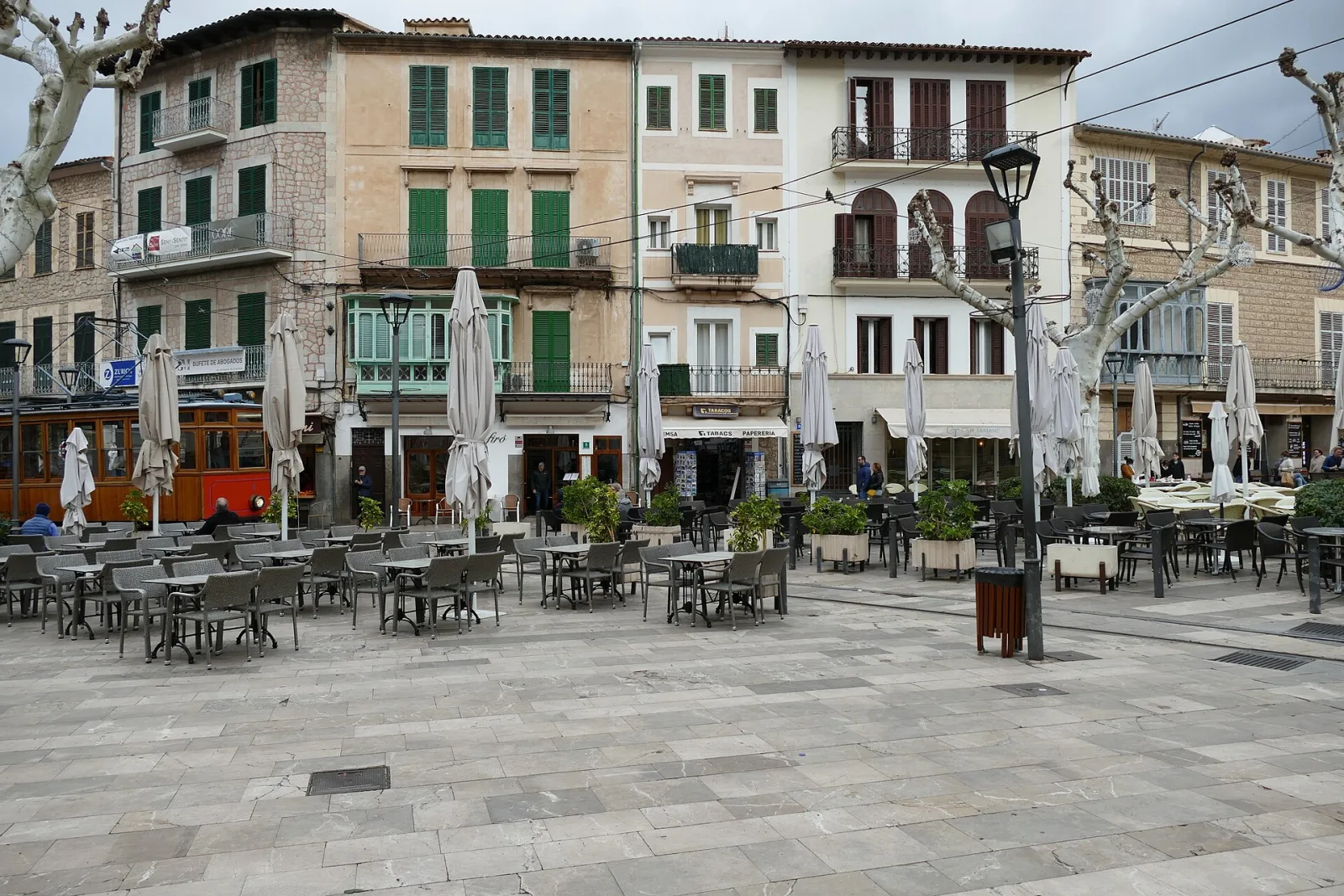
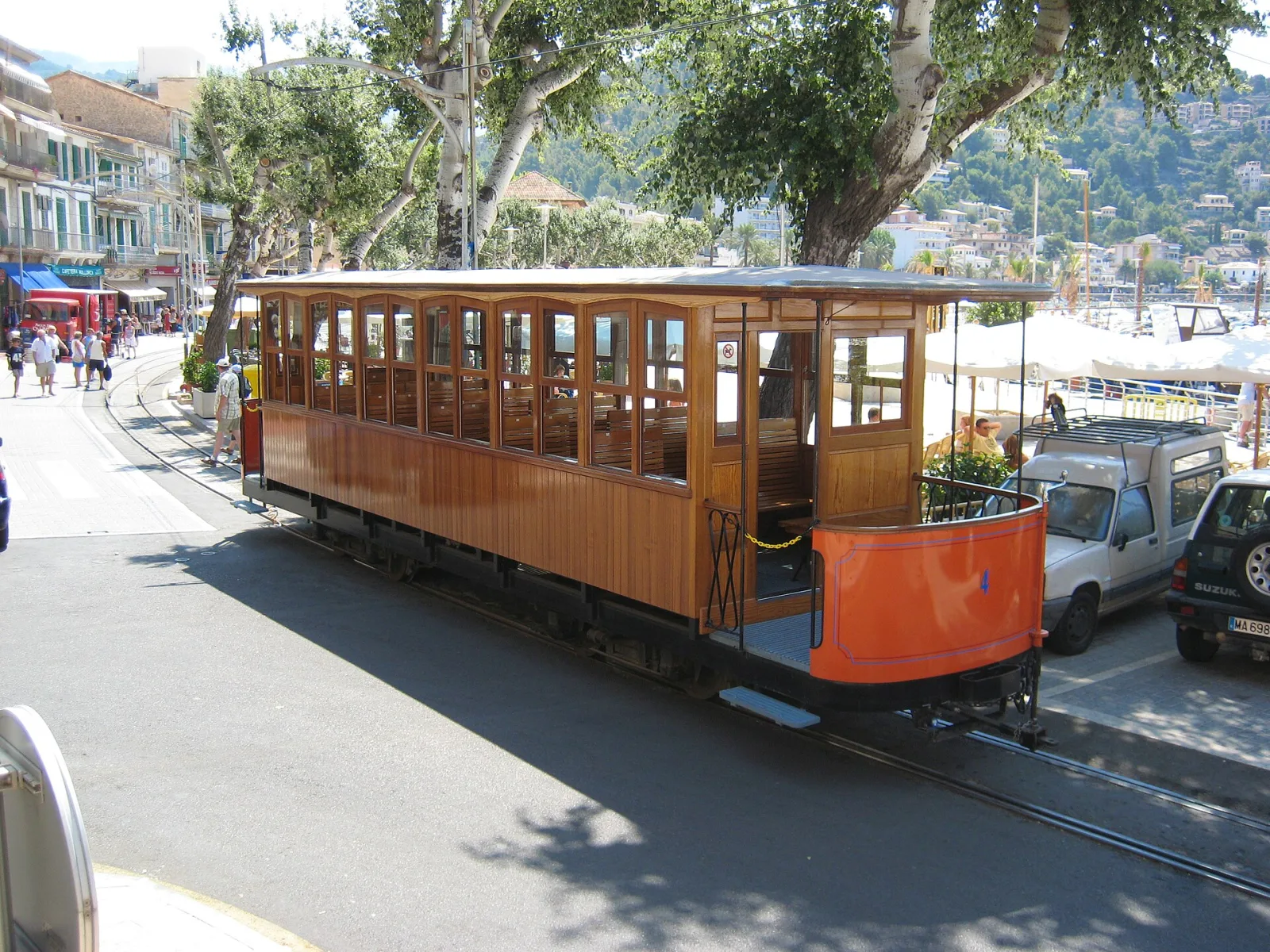
From the same station, a second piece of history takes over. The open-sided wooden tram has connected Sóller town with Port de Sóller since 1913, making it one of the oldest tram lines still running in Spain. It trundles right through the main square, past the orange groves and along the seafront to the port, a ride of about 25 to 30 minutes.
It is genuinely useful as well as charming: it saves you the walk or drive between town and port, and the slow pace through the gardens and back streets is half the fun. Buy your ticket on board or at the station.
Things to do in Sóller town
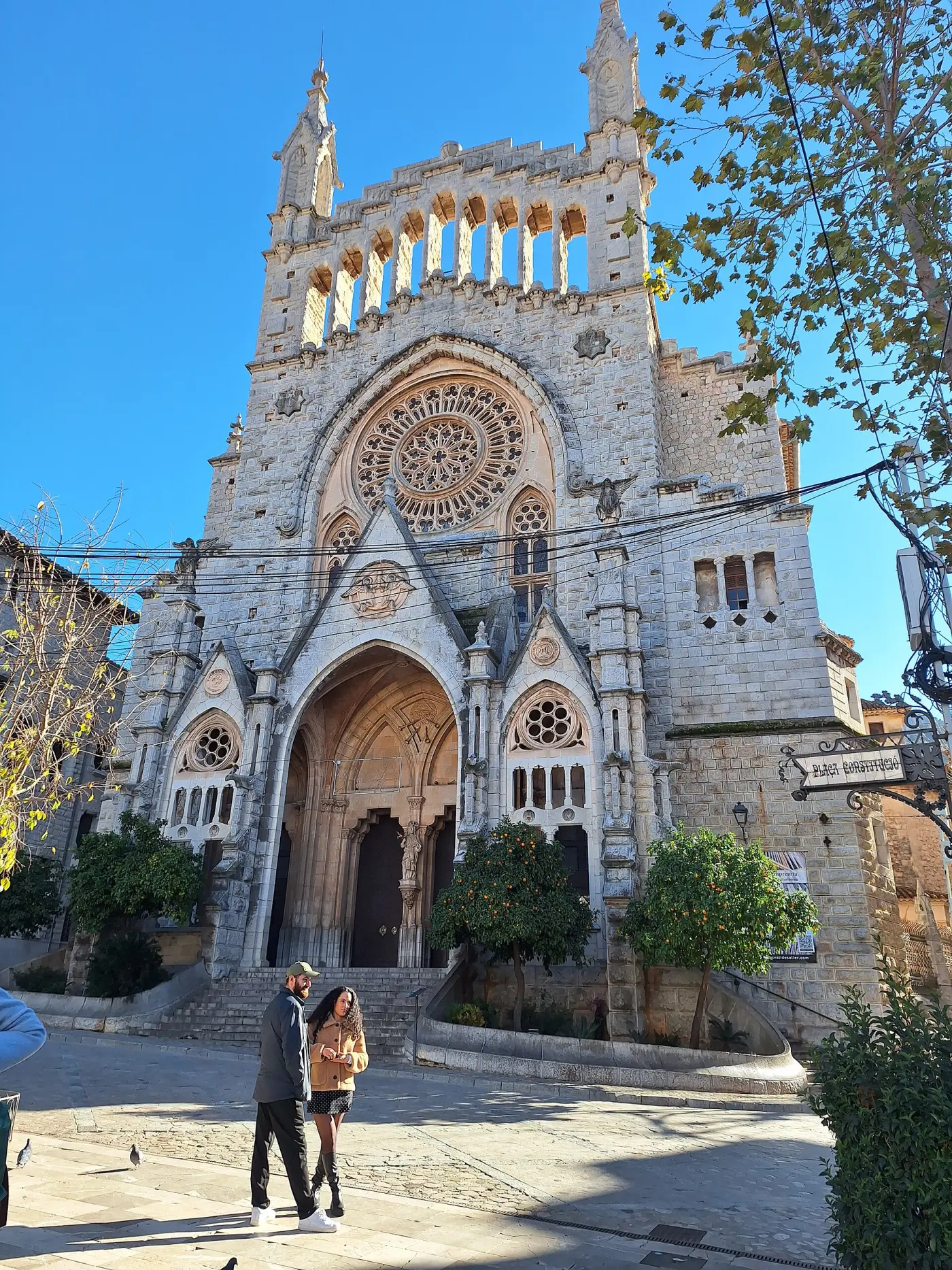
The heart of town is Plaça de la Constitució, a large square with cafés, a stone fountain, and the train and tram running across it. Looming over one side is the church of Sant Bartomeu, whose huge Modernista façade was designed by Joan Rubió, a student of Antoni Gaudí. Next door, the former Banco de Sóller building shows the same style, a reminder of how rich the town became from the citrus and textile trade with France.
The valley is famous for its oranges, so do the obvious thing and order a freshly squeezed orange juice at a café on the square. In summer, orange and lemon ice cream from local makers like Sa Fàbrica de Gelats is the better move.
The Saturday market
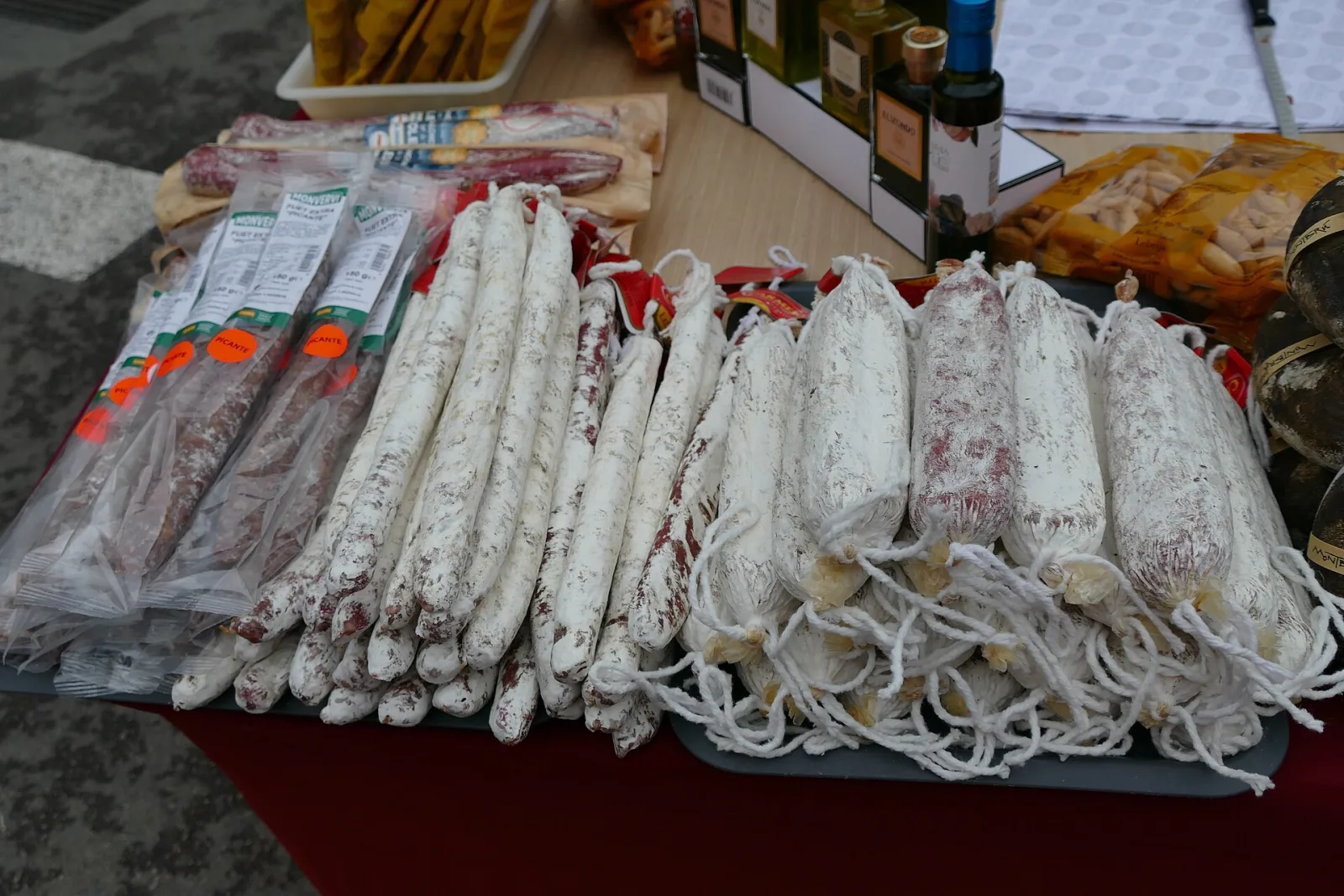
If your visit lands on a Saturday, the morning market fills the square and the surrounding streets with local produce, olives, cheeses, bread, flowers and crafts. It runs roughly from 8:00 to 13:00 and is one of the more authentic markets on the island because most of the buyers are locals doing their actual shopping.
{{cta}}
Port de Sóller and the beach
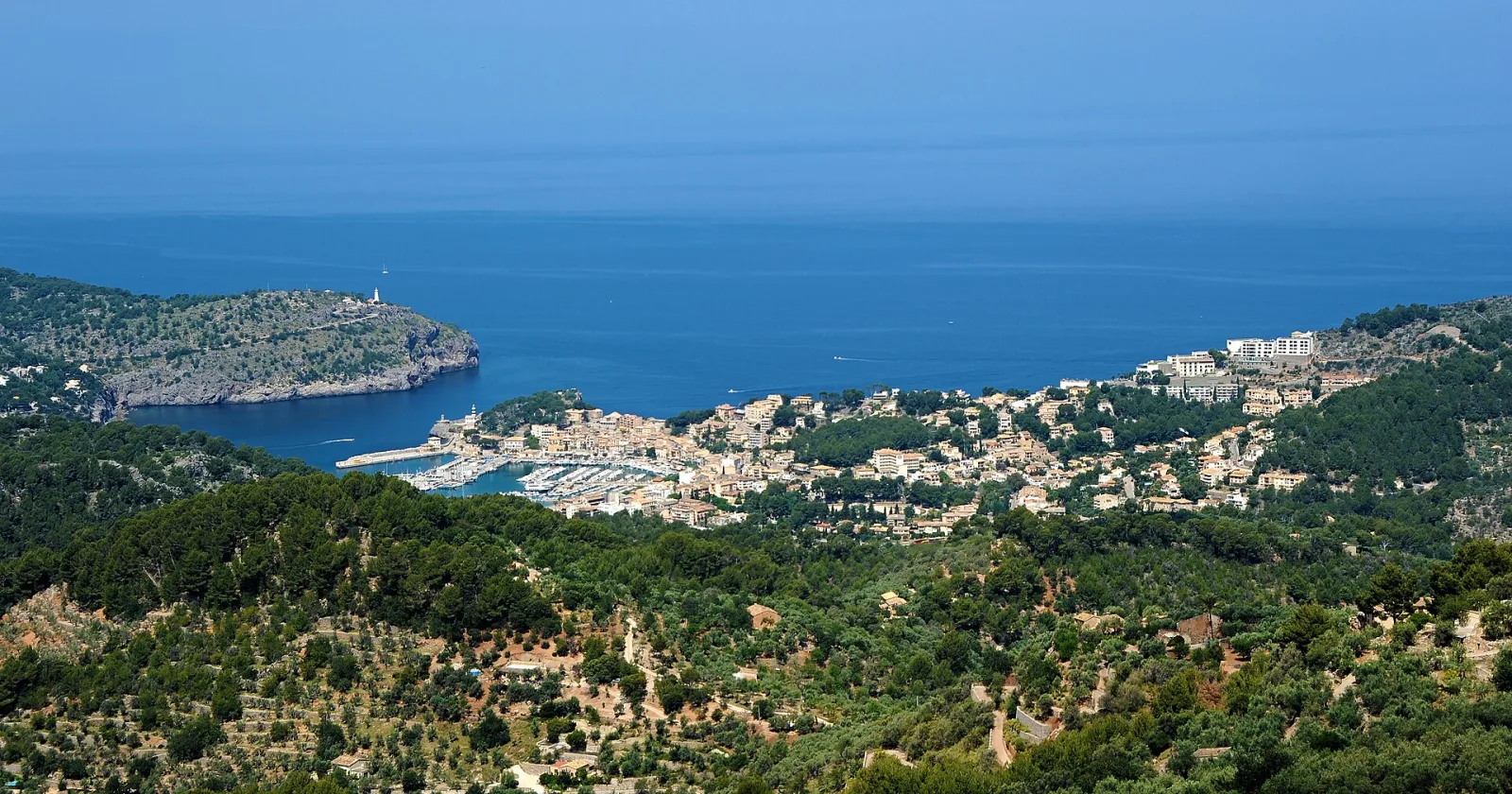
Port de Sóller is a near-perfect horseshoe bay, sheltered by mountains on both sides, which makes the water calm and good for families. It has two sandy beaches (Platja d’en Repic is the nicer of the two, on the quieter southern side) plus a long promenade lined with restaurants and the marina.
Because the bay is so enclosed, it is a great spot for kayaking and paddleboarding, and boats leave the harbour in season for the dramatic gorge at Sa Calobra and the Torrent de Pareis. The tram drops you right by the water, so you can spend a morning in town and an afternoon at the beach without ever getting in a car.

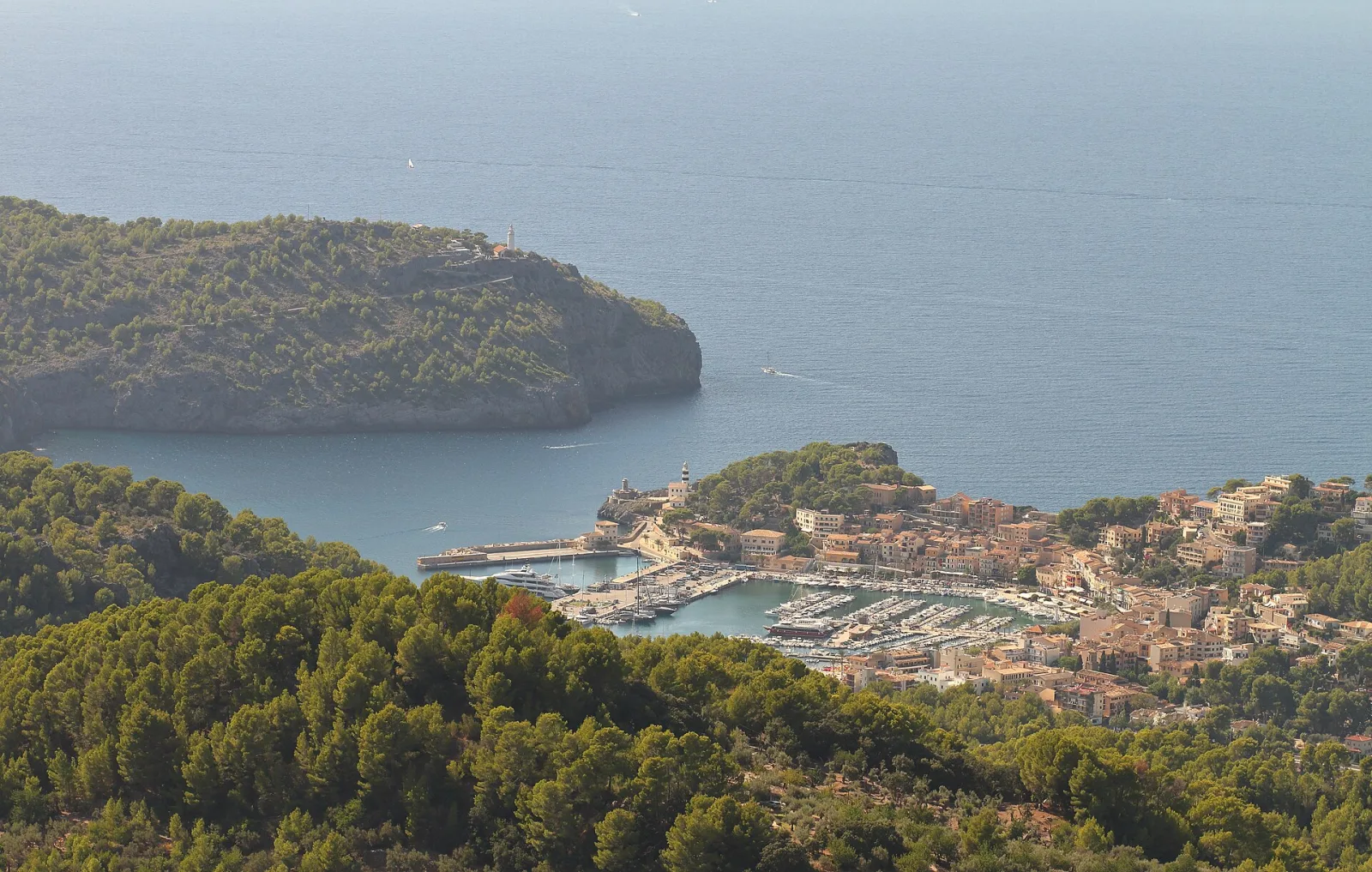
For a good walk straight from the port, follow the path out to the Far des Cap Gros, the lighthouse on the northern headland. It is about 30 to 40 minutes each way, mostly uphill, and the view back over the whole bay at the top is the best in the area, especially near sunset.
Best hikes around Sóller
Sóller is one of the best hiking bases on Mallorca because the trails start right in the valley, no long drive required. The Tramuntana range it sits in is a UNESCO World Heritage site.
The classic route is up the Barranc de Biniaraix, a gorge of beautifully restored dry-stone steps that climbs steadily out of the valley. You can do just the lower section as an easy hour-long walk, or keep going all the way up to the Coll de l’Ofre for a full day in the mountains. For the views without the climb, drive or take the bus up to the Mirador de Ses Barques, a roadside viewpoint above the port with a café and a stunning look down over the bay and the coast.
The villages nearby: Fornalutx and Biniaraix
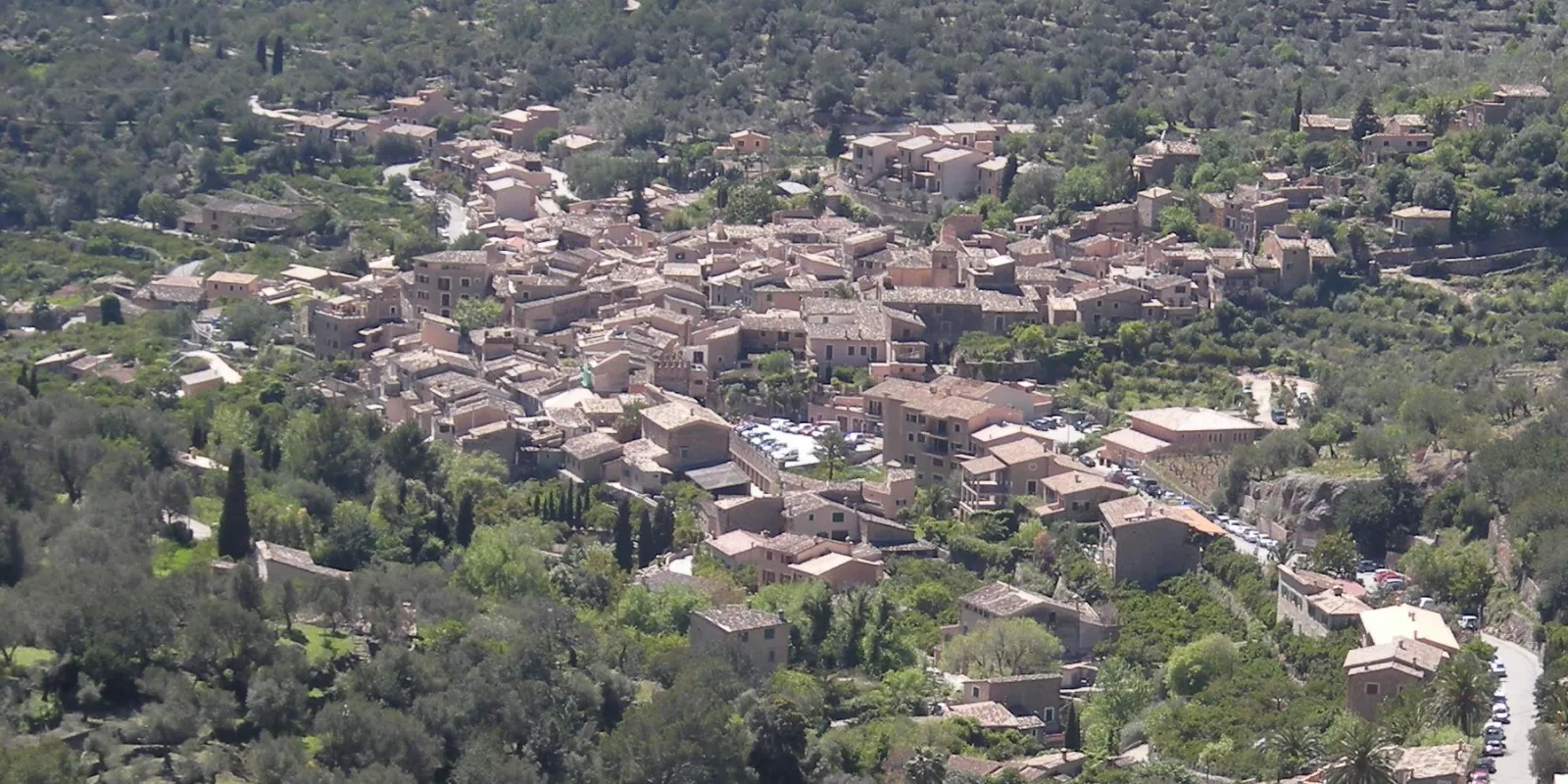
Two of the prettiest villages on the whole island sit just above Sóller. Fornalutx is a tight cluster of honey-coloured stone houses with green shutters, regularly voted one of the most beautiful villages in Spain. It is about a 10-minute drive or a 1.5-hour walk uphill from Sóller, and there is little to “do” beyond wandering the stepped lanes and having a coffee with a view, which is exactly the point.
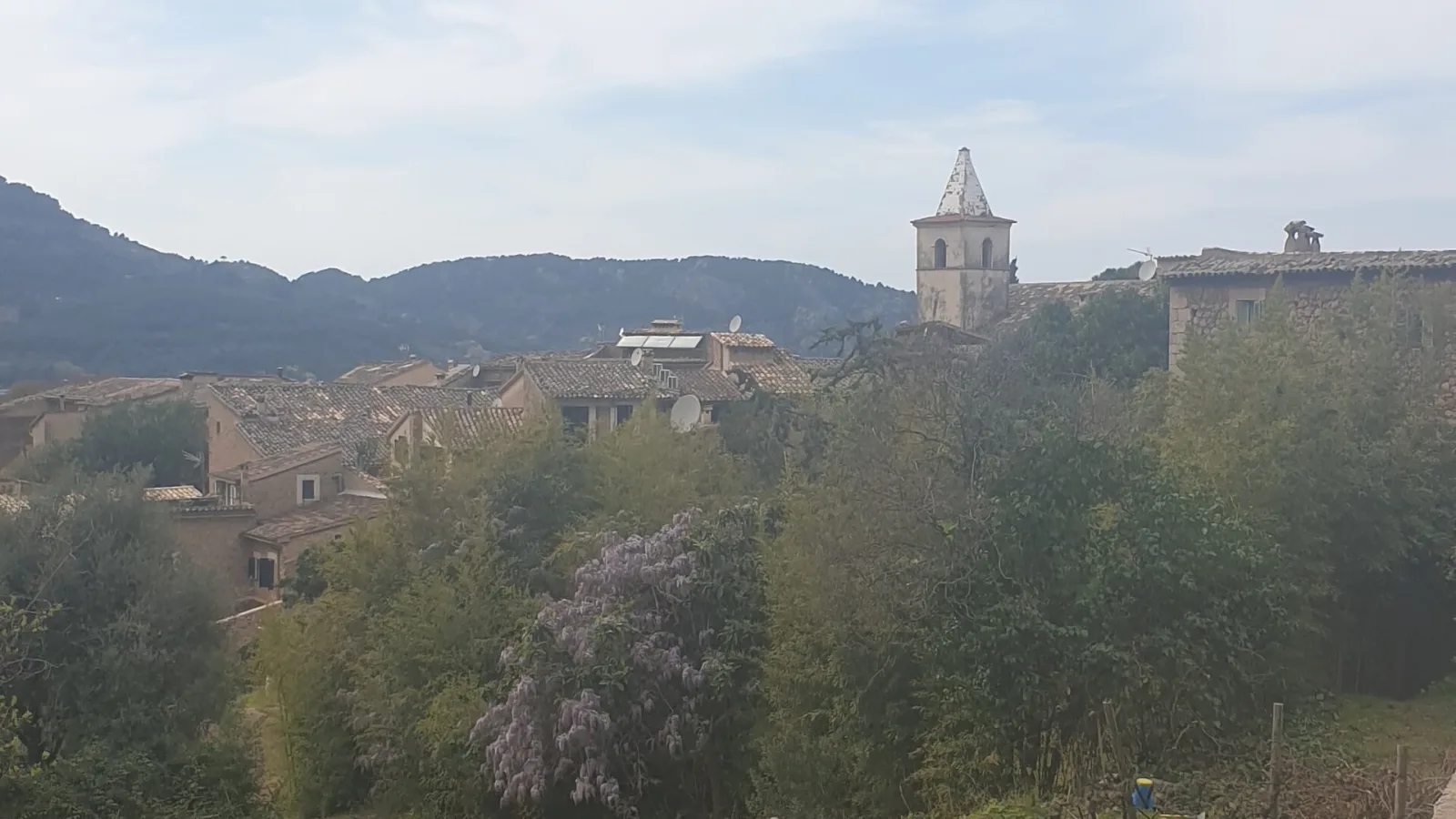
Biniaraix is even smaller and quieter, a 20-minute walk from Sóller and the starting point for the Barranc gorge hike. If you have a car, you can also follow the coast road north to Deià, the bohemian artists’ village about 15 minutes away, and on to Valldemossa to combine the mountain villages into one day.
Where to eat in Sóller and Port de Sóller
In Sóller town, the cafés around Plaça de la Constitució are the place for breakfast, an orange juice and people-watching, though you pay a small premium for the location. For a proper meal, the restaurants a street or two back from the square tend to be better value and more local.
In Port de Sóller, the seafront is the spot for fresh fish and rice dishes. Ses Oliveres is a long-running family seafood restaurant where you pick the catch of the day before it is cooked. Es Passeig and Nunu are reliable for seafood with a view over the marina, and for a special occasion Cap Roig, up at the Jumeirah hotel on the cliffs, has the best outlook in the bay. In high season, book a table in advance for anywhere on the waterfront.
How to get to Sóller from Palma and the airport
Sóller is about 30 km from Palma and 40 minutes from the airport. There are three ways to do it:
- By car or private transfer: the fastest option, through the Coll de Sóller tunnel. The transfer from the airport takes about 40 minutes. The older mountain pass (the original Coll de Sóller road, with its many hairpins) is gorgeous but adds around 25 minutes, and we are happy to take it if you ask.
- By the vintage train from Palma: scenic and historic, about an hour, around €23 one way. Best treated as an experience in itself rather than just transport.
- By public bus (TIB): cheaper but slower and less direct, and it does not connect well from the airport.
If you are arriving with luggage, or you want to go straight to your hotel in town or down at the port, a private transfer is the simplest door-to-door choice. A Janer Bus transfer to Sóller is a fixed price with luggage help, child seats on request and live flight tracking, and we can drop you at the train station if you want to ride the vintage train back to Palma another day.
{{cta}}
The best time to visit
Spring (March to May) and autumn (September to October) are the sweet spots: comfortable walking weather, green hills, and far fewer people than the summer peak. In February the almond trees blossom across the valley. Summer is hot and the train and square get crowded around midday, so visit early or late if you come in July or August. Even winter has its charm, with quiet streets, wood smoke in the air and snow occasionally dusting the higher peaks.
Frequently asked questions
Is the Sóller train worth it?
For the experience, yes, it is a genuinely beautiful and historic ride. As pure transport it is slow and not cheap, so many people do one leg by train and the other by car or transfer. If you only ride it once, the Palma to Sóller direction is the more scenic one.
How long do you need in Sóller?
Half a day covers the town, the square and a tram ride to the port. To add a hike, the beach, or the villages of Fornalutx and Biniaraix, give it a full day, or stay overnight to enjoy the town once the day-trippers leave.
Is Sóller the same as Port de Sóller?
No. Sóller is the inland town in the valley; Port de Sóller is the beach and harbour about 5 km away on the coast. The historic tram connects the two in around 25 to 30 minutes. They are different places with the same name, so be clear about which one your hotel or transfer is in.
Is Sóller touristy?
It gets busy in summer, especially around the train station and main square in the middle of the day, but because it is a real working town it never feels like a theme park. Mornings, evenings and the shoulder seasons are calm.
Can you swim in Port de Sóller?
Yes. The bay is sheltered and calm, with two sandy beaches, which makes it one of the safer spots on the northwest coast for families and weaker swimmers.
Heading to Sóller with luggage?
Book a private transfer from Palma Airport directly to your accommodation in Sóller.
Check your Sóller transfer